
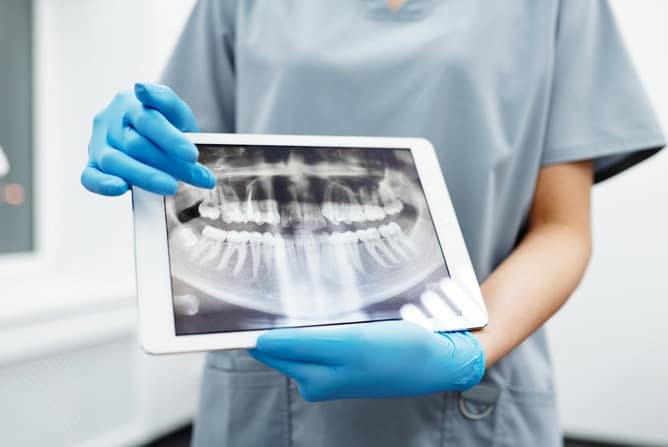
Regular dental visits are more than just a way to keep your smile bright. They play a critical role in protecting your overall health. Many people underestimate the importance of routine checkups. Early detection of oral problems can prevent serious complications. Finding a trusted dentist near me ensures timely care and professional guidance. This guide explains how dental checkups contribute to long-term wellness and why prioritizing them is essential.
Introduction to Routine Dental Checkups
Routine dental checkups typically occur every six months. Dentists examine teeth, gums, and overall oral hygiene. Professional cleaning removes plaque and tartar buildup. These visits help maintain oral health and prevent issues from escalating. Regular checkups also provide a chance to discuss any discomfort or changes in the mouth before they become serious.
The Role of Professional Cleaning

Professional cleaning goes beyond routine brushing. Dental hygienists remove hardened tartar that forms along the gumline. They polish the teeth to prevent plaque buildup. Cleanings reduce staining from coffee, tea, or smoking. These procedures not only improve appearance but also lower bacterial growth. A clean mouth is less prone to infection and inflammation. This creates a healthier environment for both teeth and gums over time.
Early Detection of Oral Health Issues
One of the biggest benefits of routine visits is early detection. Symptoms may be mild or unnoticeable. Dentists use specialized tools to identify problems that are invisible to the naked eye. Detecting issues early allows for simpler treatment. This approach minimizes discomfort and prevents costly procedures later. Patients who attend regular appointments enjoy better long-term outcomes.
Prevention of Gum Disease
Gum disease is a common problem that can affect overall health. Plaque buildup leads to inflammation and bleeding. Over time, untreated gum disease can result in tooth loss. It may also contribute to systemic conditions like heart disease and diabetes. Regular checkups help control plaque and tartar. Dentists provide guidance on proper brushing and flossing techniques. These preventive measures reduce the risk of severe gum problems, keeping the mouth and body healthier.
A Way to Maintain Healthy Teeth

Dental checkups also protect the structure and integrity of teeth. Cleanings remove stubborn deposits that brushing alone cannot handle. Dentists may apply fluoride treatments or sealants for added protection. Healthy teeth improve eating, speaking, and overall quality of life. Regular visits prevent the gradual wear and tear that can lead to pain or infection. Patients benefit from a more comfortable, functional, and aesthetically pleasing smile.
Systemic Health Detection
Dental checkups can reveal more than oral problems. Dentists may notice signs of systemic conditions, including diabetes, vitamin deficiencies, and osteoporosis. Oral tissues often reflect changes in overall health. By observing the gums, tongue, and soft tissues, dental professionals can identify potential issues early. This early detection can prompt a timely medical consultation. In this way, routine dental visits contribute to holistic health monitoring.
A Strategy for Long-Term Health
Routine dental checkups are a cornerstone of long-term wellness. Consistent visits build a comprehensive record of oral health. Dentists track changes over time and adapt care plans accordingly. Preventive strategies, early interventions, and personalized advice work together to maintain overall health. By prioritizing dental appointments, individuals can protect themselves from future complications and enjoy a healthier life. Regular care ensures both a confident smile and improved general well-being.
Routine visits offer opportunities for education. Dentists provide advice on brushing, flossing, diet, and lifestyle habits. They recommend strategies tailored to individual needs. Personalized guidance helps patients adopt habits that prevent oral issues. Understanding proper care empowers individuals to take responsibility for their health. This educational aspect is a unique advantage of regular dental care, helping patients avoid future complications.