
Monitoring protein intake is often a critical component of maintaining a healthy lifestyle, supporting fitness goals, and promoting muscle recovery. However, many women encounter pitfalls that can compromise their nutritional plans, hinder progress, or even lead to unintended health consequences. From miscalculating daily requirements to relying excessively on supplements, the path to accurate protein tracking is filled with subtle yet impactful errors. Understanding common mistakes women make when tracking protein intake equips individuals with the knowledge to refine habits, optimize nutrient consumption, and maintain balance in their diet. This article explores five frequent mistakes and practical ways to avoid them, helping women maximize the benefits of their protein-focused nutrition strategies.
Misjudging Daily Protein Requirements
A prevalent mistake is inaccurately estimating the amount of protein needed each day. Factors such as age, activity level, body composition, and fitness goals influence protein needs, and a one-size-fits-all approach is ineffective. Many women either underconsume, limiting muscle repair and satiety, or overconsume, which can strain kidney function and lead to unnecessary caloric intake. Consulting reliable nutrition sources or seeking guidance from health professionals helps establish a personalized protein target. Tracking intake without a clear understanding of daily requirements often results in ineffective dietary planning, reducing the potential benefits of consuming sufficient protein.
Ignoring Protein Quality and Variety

Another frequent error is focusing solely on quantity rather than the quality and diversity of protein sources. Animal-based proteins like eggs, chicken, and fish contain all essential amino acids, whereas plant-based proteins may lack one or more. Relying exclusively on a single source can create deficiencies in critical amino acids, which are necessary for muscle synthesis and overall health. Incorporating a range of protein sources—including legumes, dairy, and nuts—ensures a balanced intake. Failing to diversify protein sources may impede physical performance, affect satiety, and limit nutrient absorption from complementary foods, ultimately reducing the effectiveness of a protein-centered diet.
Overreliance on Supplements
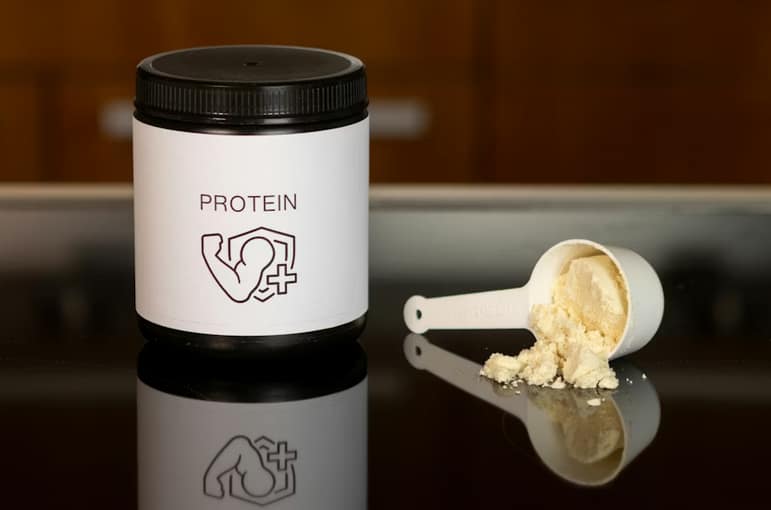
Supplements such as protein powders and bars offer convenience, but depending heavily on them is a common mistake. While supplements can complement a diet, whole foods provide additional nutrients like vitamins, minerals, and fiber that powders often lack. Relying excessively on supplements can foster unbalanced eating habits and reduce enjoyment of natural foods. Monitoring actual food intake and considering supplements as secondary options preserves dietary quality. Women who assume that supplementation alone fulfills their protein needs may overlook the importance of balanced meals, diminishing long-term health benefits and the pleasure of varied eating experiences.
Inconsistent Tracking Methods

Tracking protein inconsistently or using inaccurate methods can skew results and misrepresent actual intake. Skipping meals, failing to record snacks, or inaccurately estimating portion sizes can create misleading data, leading to improper adjustments in diet. Utilizing reliable tools, such as nutrition apps or food scales, provides precision and accountability. Without consistent tracking, women may unknowingly underconsume or overconsume protein, undermining efforts to maintain or improve body composition. Establishing a structured approach to tracking intake promotes accurate assessment, better planning, and more predictable outcomes for fitness and wellness objectives.
Neglecting Timing and Distribution
Even with adequate total protein intake, timing and distribution throughout the day are often overlooked. Consuming most protein in a single meal reduces muscle protein synthesis and can affect energy levels. Spreading protein across breakfast, lunch, dinner, and snacks optimizes absorption and utilization by the body. Ignoring this principle diminishes the efficiency of dietary efforts and may hinder recovery after workouts. Planning protein intake to align with daily activities and exercise schedules enhances results, supports metabolism, and contributes to consistent energy availability, allowing women to leverage the nutritional advantages of their protein consumption fully.
Avoiding these common mistakes—misjudging requirements, ignoring protein quality, overreliance on supplements, inconsistent tracking, and poor timing—can significantly improve the effectiveness of a protein-focused diet. By adopting accurate measurement techniques, diversifying protein sources, balancing supplementation, and distributing intake strategically, women can enhance muscle recovery, support metabolic health, and maintain overall nutritional balance. Understanding these key areas empowers individuals to refine daily habits, optimize physical performance, and achieve sustainable results in their health and fitness journeys.